Entry · Ref JQCIXEIY
How to Choose the Right Full Car Wrap for Your Ride
- Posted
- 2026-10-09
- Last amended
- 2026-10-09
- Account
- @thefullcarwrapworks
Deciding on a full car wrap is a significant move, whether you are refreshing a personal vehicle or turning a fleet into a mobile billboard. Having been through this process myself more than a few times, I know the options can feel overwhelming. The choices you make early on determine everything from how the wrap looks on day one to how it holds up after a few years in Singapore's tropical sun.
The market has matured a lot. It is no longer just about picking a color from a swatch and hoping for the best. A well-executed full car wrap involves material science, installation skill, and a clear understanding of what you want the finished car to say. Let me walk through the main considerations so you can make an informed decision.
Understanding Material Quality: Why Brand Matters
The vinyl wrap itself is the foundation of the whole project. I have seen wraps that look incredible for the first month and then start to peel at the edges or fade unevenly. The difference almost always comes down to the material brand. Three names dominate the professional space: 3M, Oracal, and Avery Dennison. Each has its own strengths.
3M is generally considered the gold standard for durability and conformability. Their films are engineered to stretch around complex curves without lifting, which matters a lot on a car with deep body lines. Oracal offers a fantastic balance of quality and cost, and their color range is enormous. Avery Dennison is another reliable player, particularly strong in cast vinyls that move with the car's surface as it heats and cools. For a full wrap that you want to last three to five years or more, I would stick with one of these three. Budget materials from unknown suppliers often fail prematurely, especially under Singapore's heat and humidity.
Full Wrap vs. Partial Wrap: Know the Difference
Not every project needs a full wrap. A full car wrap covers every painted surface of the vehicle, including door jambs if you choose. It gives a complete, seamless new look. A partial wrap, on the other hand, covers only specific sections like the hood, roof, and sides, leaving some original paint exposed. Partial wraps are common for commercial fleet wrap jobs where the goal is to add logos and contact info without covering the whole car.
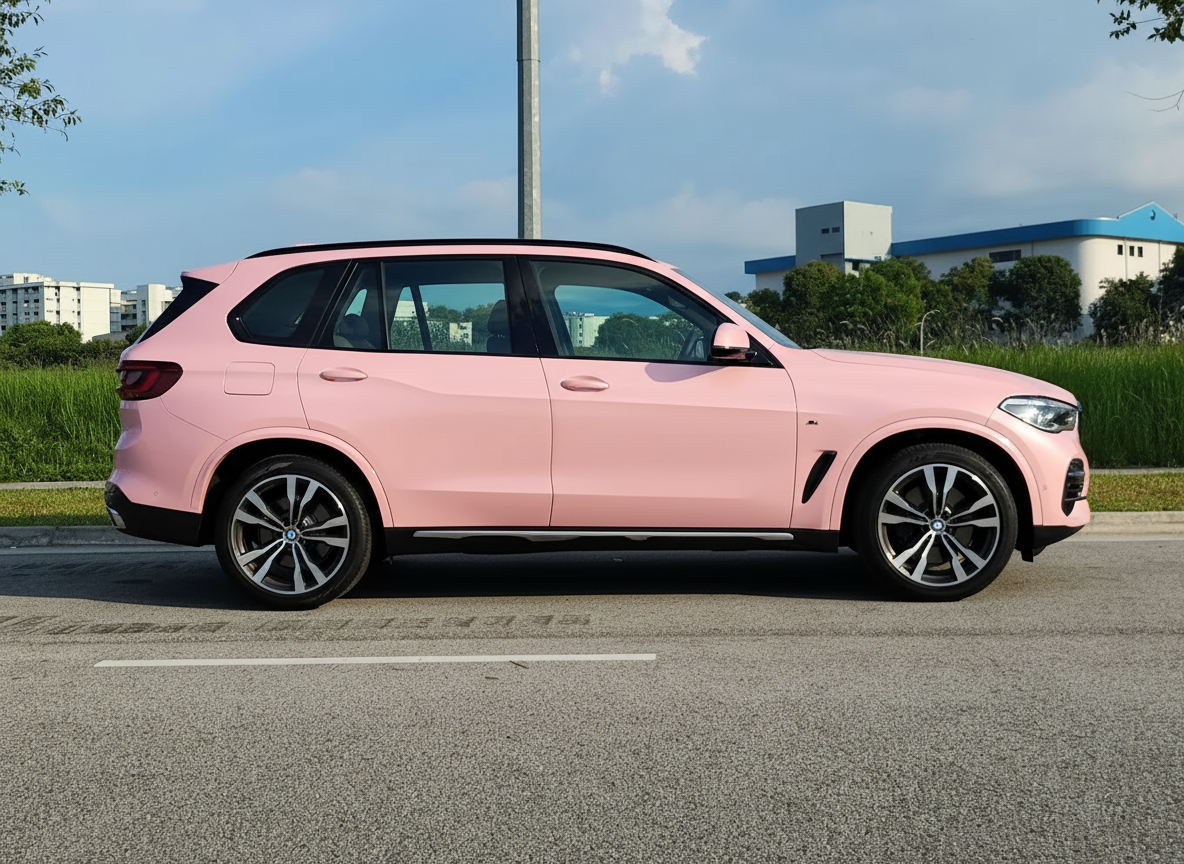
For a color change wrap, a full wrap is usually the way to go. It avoids visible seams where the old paint meets the new vinyl. The cost difference is not as large as people think, because a good installer charges mainly for labor, and the labor for a partial wrap is not that much less than for a full one. If you are after a dramatic transformation, go full. If you only need branding on the side panels, a partial wrap will serve you well.
One thing to keep in mind: a full wrap can be removed later without damaging the original paint, provided the wrap is applied properly and the paint is in good condition. That is a big advantage over a permanent paint job.
Finish Options: Matte, Gloss, and Everything In Between
Choosing a finish is where personal taste really comes into play. The most popular choices are matte finish and gloss finish. Matte black has become a classic for a reason; it gives a vehicle a stealthy, modern look that hides dust and minor scratches well. Gloss white is another staple, especially for commercial fleets where a clean, bright surface helps branding pop.
But there is more variety now. Carbon fiber wrap adds texture and a technical feel, often used on hoods or mirror caps as accent pieces. Chrome wrap is the opposite end of the spectrum; it is flashy, reflective, and demands attention. It is also harder to maintain because it shows every fingerprint and smudge. If you go chrome, be prepared for extra care.
Lamination is something many people overlook. A clear laminate layer over the vinyl adds UV protection and scratch resistance. It can also change the sheen: a gloss laminate over a matte vinyl gives a semi-gloss look. For a full car wrap that will see outdoor parking in Singapore, lamination is not optional. It extends the life of the wrap significantly and makes cleaning easier.
Protection vs. Decoration: Car Paint Protection Film
A different category worth mentioning is car paint protection film. Unlike a decorative color change wrap, this is a clear or slightly tinted film applied specifically to guard the original paint from chips, scratches, and UV damage. Some people combine both: a full wrap for the main panels and a clear protection film on high-impact areas like the front bumper and hood. If you are leasing a car or plan to sell it later, the protection film preserves the factory finish underneath.
I have seen cases where a car was wrapped for five years, and when the wrap came off, the paint looked brand new. That is the real value of a quality install with protection in mind. It is not just about looking good today; it is about preserving the asset underneath.
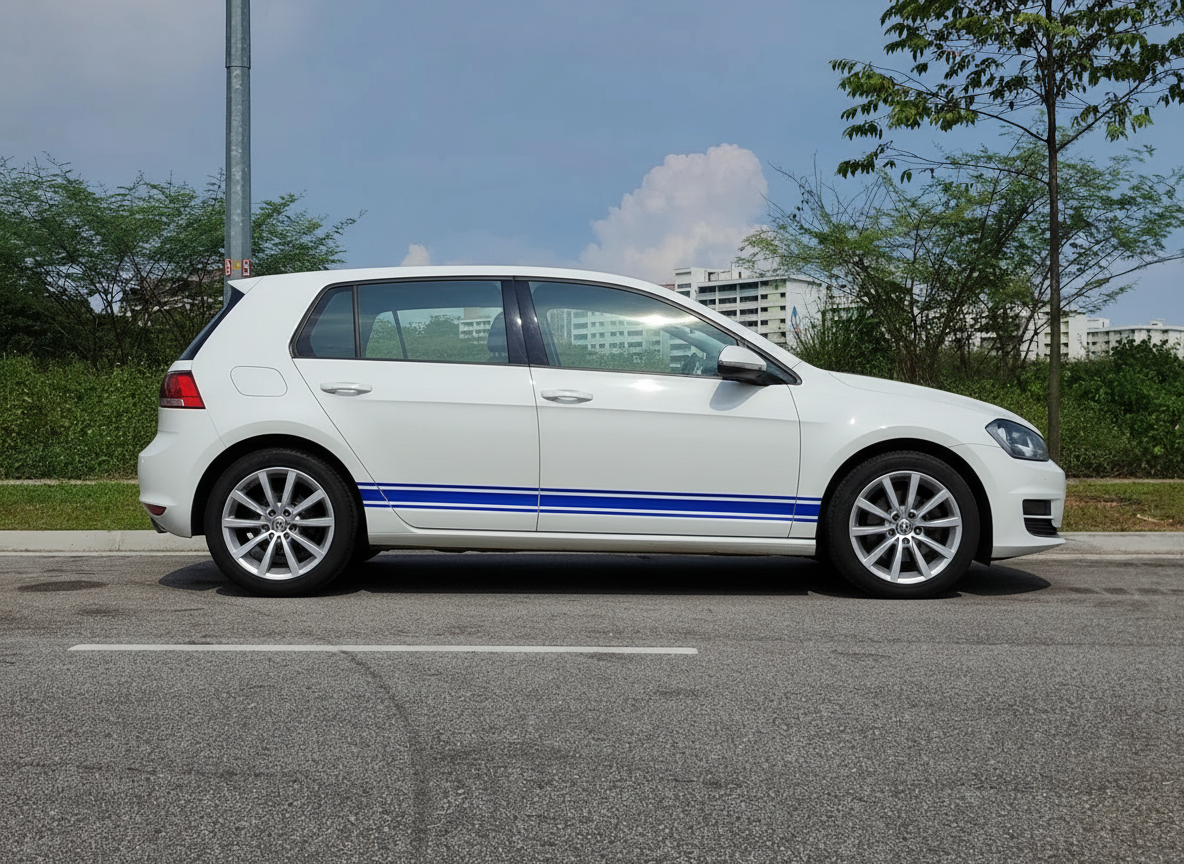
Custom Design and Vehicle Branding
For businesses, a commercial fleet wrap is one of the most cost-effective advertising tools. A single vehicle can generate thousands of impressions per day. But the design matters. A cluttered wrap confuses the viewer. A clean, high-contrast design with the brand name and a clear call to action works best.
Custom design is a collaborative process. You bring your logo, your brand colors, and any reference images. The designer maps the layout to the car's actual shapes, accounting for door handles, wheel wells, and body lines. The best wraps use the car's geometry to frame the design, not fight it. A good shop will show you a digital preview before a single inch of vinyl is cut. That preview should be rendered on a photo of your actual car, so you can see exactly how the wrap will look from every angle.
When I worked on a fleet project for a food delivery company, the difference between a generic design and one that used the van's door lines as natural borders was night and day. The custom design felt intentional, not slapped on.
Installation: The Real Differentiator
You can buy the best 3M vinyl in the world, but if the installer is sloppy, the result will look cheap. A full car wrap requires experience with compound curves, seams, and recessed areas. Singapore's climate adds another layer: heat causes vinyl to expand, so installers need to work in controlled conditions and use proper heat guns to activate the adhesive.
Look for a shop that does car detailing as part of the prep. The surface must be immaculately clean and free of wax, dirt, or old sealants before the wrap goes on. Any imperfection underneath will show through the vinyl. A good installer will also wrap edges where possible, tucking the vinyl around door edges and panel gaps rather than cutting it flush. That prevents lifting over time.
I once watched a team wrap a sports car in chrome vinyl. They spent three hours just on the front bumper because every contour had to be heated and stretched perfectly. The result was flawless. That level of patience is rare, but it is what separates a professional job from a weekend DIY attempt.
Maintenance After the Wrap
Once the wrap is on, caring for it is straightforward. Hand washing with a mild detergent is best. Avoid automatic car washes with abrasive brushes. For matte finishes, use products specifically made for matte vinyl to avoid leaving shiny spots. For gloss finishes, a standard wax-free car wash soap works fine.
Parking in shaded areas or using a windshield sun reflector helps extend the life of the wrap, especially for the darker colors that absorb more heat. With proper care, a full car wrap can last five to seven years before showing significant wear. At that point, removing it and replacing it is less expensive than a full paint job.
If you are considering a full car wrap, take the time to research the shop's portfolio, ask about the specific material brands they use, and confirm that lamination is included in the quote. A cheap wrap from an inexperienced shop will cost more in the long run due to early failure and removal fees. A quality wrap, done right, adds value and personality to your vehicle for years.